
Nutrition and Exercise for Weight Loss
Whether you are using a GLP-1 medication or losing weight without one, what you eat and how you move still make a big difference. Medication can quiet hunger, but it cannot choose your food or lift weights for you. This page covers the habits our providers talk about most with patients, plus new recipes from the Purifi Kitchen every week.
Why Food and Exercise Still Matter on a GLP-1
GLP-1 medications help many people eat less. When you are eating less, every bite has more work to do, so the quality of your food matters more than ever. Four leading medical and nutrition organizations put it plainly in a joint 2025 advisory: people on GLP-1 therapy should focus on nutrient dense, minimally processed foods, get enough protein, and pair it with strength training.
There is a second reason. Any significant weight loss includes some lean tissue, not just fat. In the STEP 1 trial of semaglutide, participants lost about 15 percent of their body weight, and while most of it was fat, lean mass dropped too. Protein and strength training are the two tools most likely to help you hold on to the muscle you have while the scale moves.
Protein First
Build each meal around a protein source, and eat it first when your appetite is small. The general recommendation for adults is 0.8 grams of protein per kilogram of body weight a day, and higher targets of 1.2 to 1.6 grams per kilogram have been suggested during active weight loss. A simpler target many people use is 80 to 120 grams a day. Your provider can help you find the right number for your body.
Easy protein wins: eggs, Greek yogurt, cottage cheese, chicken, turkey, fish, lean beef, tofu, edamame, beans, and lentils.
Fill Up on Whole Foods
Aim for a plate that is mostly vegetables, with protein and a smaller portion of whole grains, beans, or starchy vegetables. Fruit, nuts, seeds, and olive oil round it out. The same advisory recommends cutting back on refined grains, sugary drinks, fast food, and ultra processed snacks, which fill you up without giving much back.
Fiber, Fluids, and Smaller Meals
Fiber from vegetables, beans, fruit, and whole grains helps keep digestion moving, which matters for many people on GLP-1 medications. Drink water steadily through the day, since eating less also means getting less water from food. Many people find smaller meals, eaten slowly, sit better than large ones. If you have side effects that make it hard to eat or drink, call us.
Train Your Largest Muscle Groups
The federal Physical Activity Guidelines recommend strength training for all major muscle groups at least two days a week, plus 150 to 300 minutes of moderate activity like brisk walking. If your time is limited, spend it on the biggest muscles: legs, hips and glutes, back, and chest. Big compound movements work several of them at once, so you get more done in less time:
Squats or sit to stands from a chair
Hip hinges like deadlifts or glute bridges
Rows for your back
Push ups or presses for your chest and shoulders
Lunges or step ups
Work each set until the last few reps feel genuinely hard. That effort is what tells your body to keep its muscle.
Why Type 2 Muscle Fibers Matter
Your muscles contain two main fiber types. Type 1 fibers are built for endurance, like a long walk. Type 2 fibers are your fast, powerful fibers, the ones you use to stand up quickly, climb stairs, or catch yourself if you trip. Research shows type 2 fibers are the ones most affected as we age, and they respond best to challenging resistance training.
To train them, lift weights that feel heavy for you, and move with intent on the way up. Controlled but quick efforts, like standing up briskly from a squat or stepping up onto a stair with purpose, recruit more of these fibers. Start light, focus on good form, and build gradually. If you are new to exercise or have a health condition, check with your provider first.
A Simple Week to Start
Two or three days: 20 to 40 minutes of strength training covering legs, hips, back, and chest
Most days: a brisk walk, even 10 minutes after meals counts
Every day: protein at each meal, plenty of vegetables, and water throughout the day
Recipes from the Purifi Kitchen
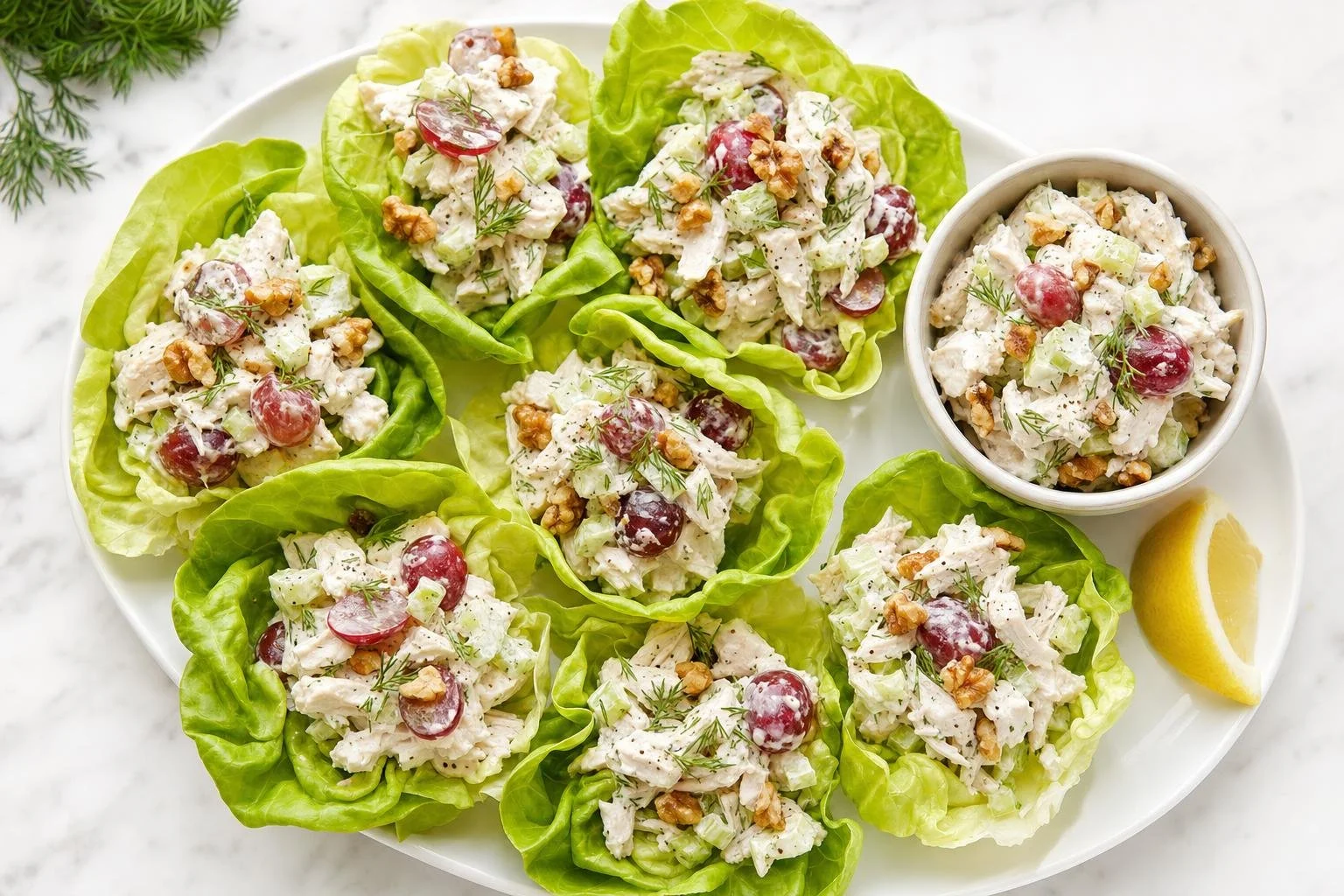
Every week we share a new whole food recipe built around protein, fiber, and real ingredients. Find the latest below.
Trouble seeing the form? Open the signup here.
How Purifi IV Can Help
Our medically managed weight loss program pairs provider guidance with real lab work and regular check ins, whether you visit us in Suwanee or join through our home therapy program. Learn more about our medical weight loss program, or book your visit today. Come see us!
This page is for general informational purposes and is not a substitute for professional medical advice, diagnosis, or treatment. Talk with your healthcare provider before starting a new exercise program or making major changes to your diet, especially if you take medication or have a health condition.
References
Mozaffarian D, et al. Nutritional priorities to support GLP-1 therapy for obesity: a joint advisory from the American College of Lifestyle Medicine, the American Society for Nutrition, the Obesity Medicine Association, and The Obesity Society. Am J Clin Nutr. 2025;122(1):344-367. https://pubmed.ncbi.nlm.nih.gov/40450457/
Wilding JPH, et al. Impact of semaglutide on body composition in adults with overweight or obesity: exploratory analysis of the STEP 1 study. J Endocr Soc. 2021;5(Suppl 1):A16. https://doi.org/10.1210/jendso/bvab048.030
U.S. Department of Health and Human Services. Physical Activity Guidelines for Americans, 2nd edition. https://www.cdc.gov/physical-activity/media/pdfs/Physical_Activity_Guidelines_2nd_edition.pdf
Effects of aging and resistance exercise on determinants of muscle strength. J Am Aging Assoc. 2002. https://pmc.ncbi.nlm.nih.gov/articles/PMC3455754/
A review on aging, sarcopenia, falls, and resistance training in community dwelling older adults. 2022. https://pmc.ncbi.nlm.nih.gov/articles/PMC8775372/
Written and reviewed by Johnathon Nolen, and Dr. Jeremy Nelson.
A one pan fall dinner built from a Saturday market haul: lean turkey, sweet potatoes, kale and red pepper, with about 33 grams of protein per serving.